








































Summary: Not all medical issues will need a physical exam to start the evaluation. In a virtual consultation, practitioners review patients’ symptoms based on questions, self-examination, exams performed by the patient, a physical exam, and patient history and record-keeping. The virtual primary care process empowers doctors to decide whether or not remote or in-person examination is required.
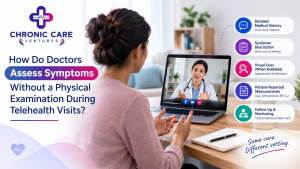
When you are feeling unwell, the biggest concern with a telehealth appointment can be simple: How can a doctor understand what is wrong without examining me physically? A screen cannot replace every part of an examination, but it does not mean your symptoms are being assessed casually. During an online medical visit, doctors use structured questions, visual clues, medical history, and available health information to build a clinical picture and decide what care you need.
Start with Symptoms
The first step of an online medical visit is typically the medical history of your symptoms. Doctors don’t only want to know what hurts, they may want to know when it began, if it’s getting better or worse, what triggers it, and whether other symptoms have developed.
If you’re describing abdominal pain, for instance, your doctor will ask about its location, severity, duration and whether you’ve had a fever, nausea, bowel movements, prior health issues or taken any medications.
This information enables physicians to recognize patterns and ideas as to what conditions can be considered further investigation. Your previous diagnoses, allergies, medical history, and medication list are also important when it comes to your medical history and setting for virtual primary care.
Observe Visible Signs
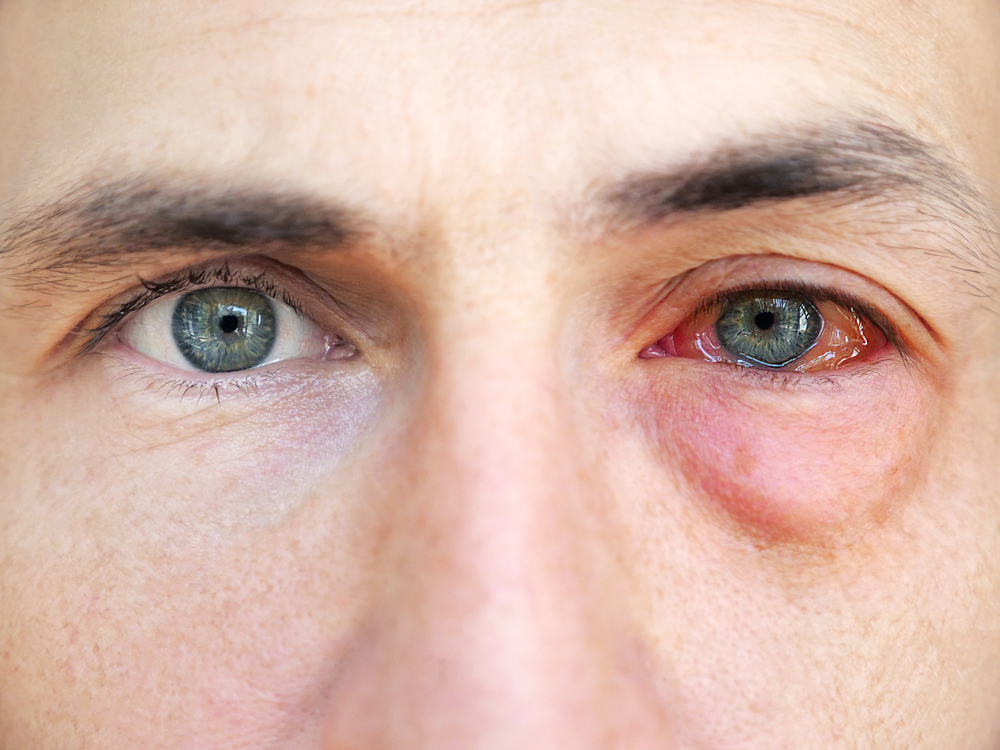
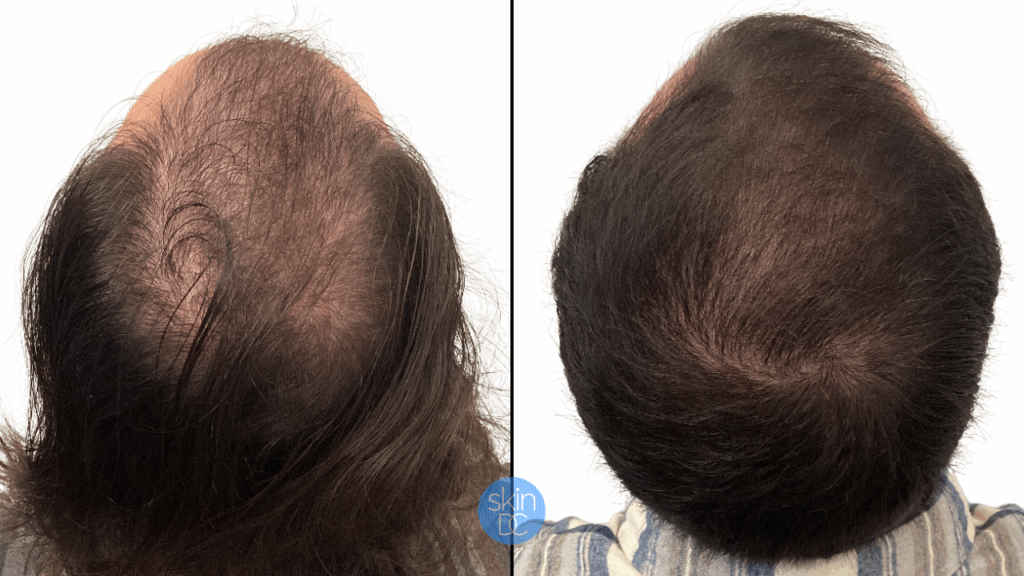
Doctors can obtain information via video consultation by observing. A physician can examine your posture, movement, breathing, speech or general appearance during an online medical visit as well as any changes in the skin you can see.
May be asked to hold the camera differently, show an affected area, walk across the room, or move a specific body part.
While these observations will make up part of the exam, they should not be used in place of a complete examination in some cases. They can be useful however, as clues to the physician’s clinical workup and help ascertain if further evaluation is required.
Guide Simple Checks
A small select number of examination techniques can be modified to allow for conducting an examination remotely. However, during a virtual primary care session, skip the simple movements and observations – your doctor can do that.
Depending on your symptoms, you may be asked to:
- Rotate your head, arms or legs.
- Walk a short distance.
- Check your temperature.
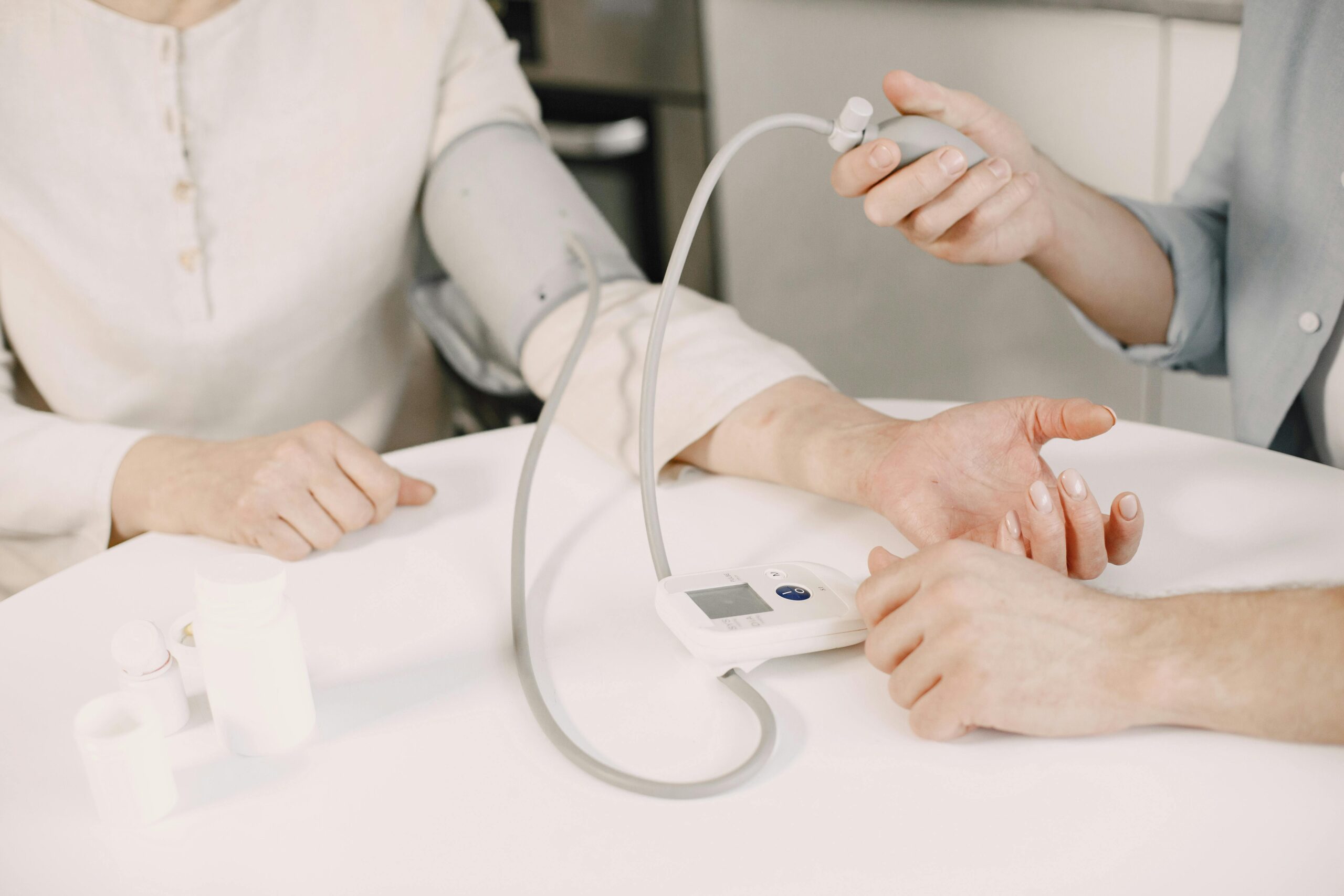
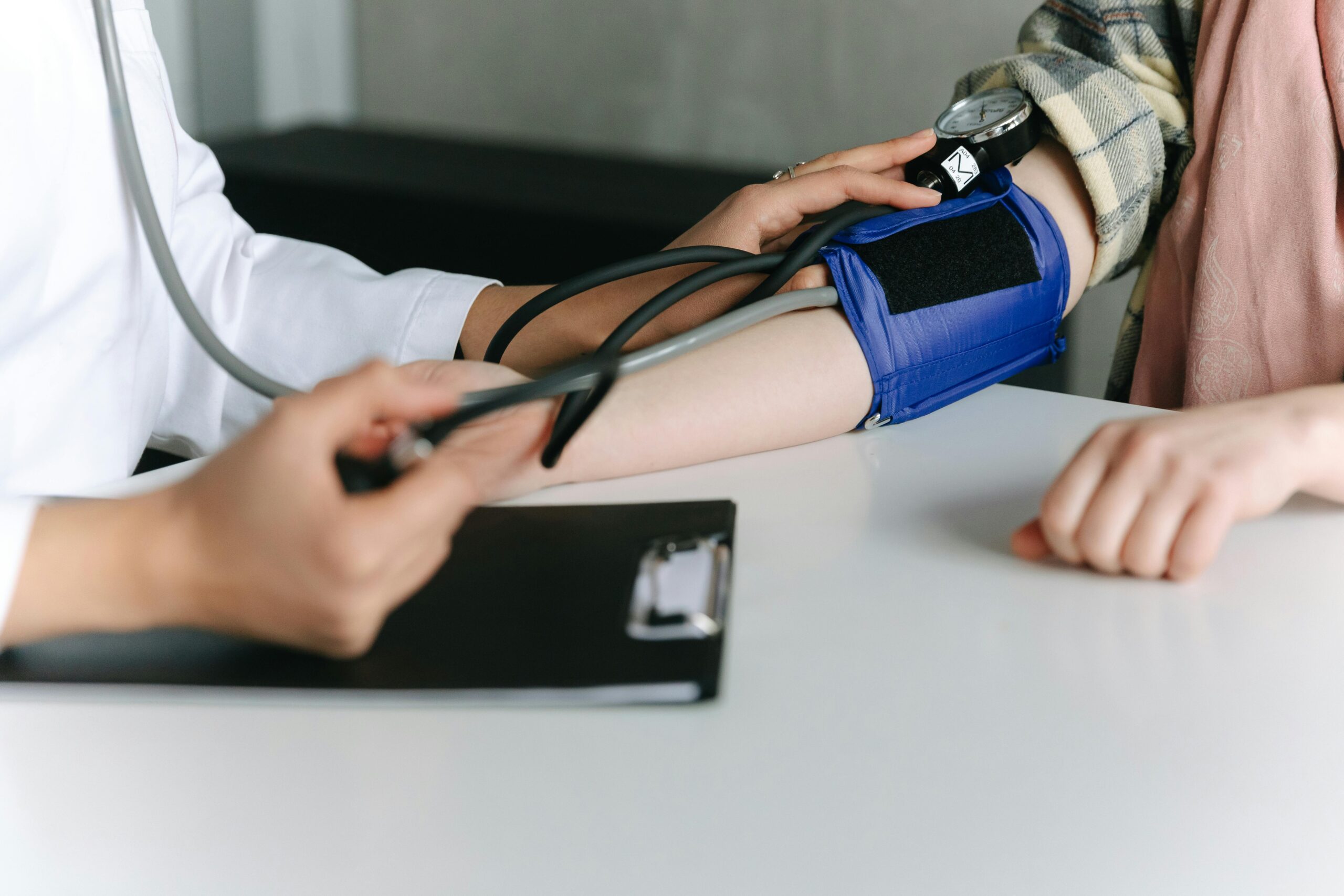
- Correctly measure blood pressure or pulse.
- Demonstrate a growing, red, or change in skin appearance.
- Do a simple motor or movement activity/exercise.
The doctor assesses your reaction or condition plus your past history as well as your medical history and not one single symptom alone as a diagnosis.
Use Health Data
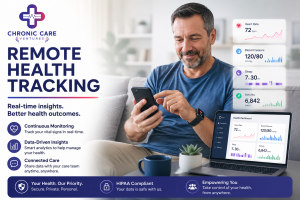
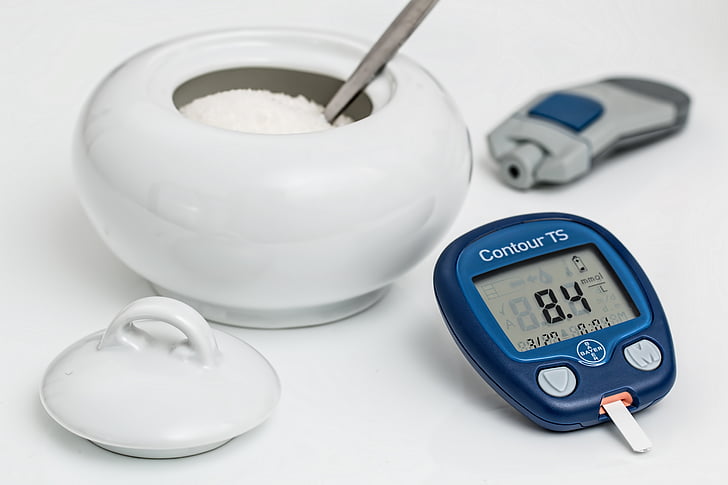
An online medical visit can also incorporate information collected outside the appointment. Patients may bring blood pressure, blood sugar, temperature, weight or medication information, lab test or imaging results.
This information is especially important for individuals who are relying on virtual primary care for chronic health care. Your doctor may be able to see and look at your measurements and trends from previous days or weeks rather than just what they see on one appointment.
Patients may also upload medical records or images as relevant, providing the physicians with more information to aid in their evaluation.
Apply Clinical Judgment
Medicines are not concocted based on a solitary indication or observation. They use all the information they have collected during the online medical visit, including what you’ve told them, a visual assessment, your medical and health history and your risk factors.
The doctor then will review the information to see if remote management is an option or if more work is needed.
This clinical judgment plays a big role in virtual primary care. The aim is not only to find out what may be causing the signs, but also to look out for warning signs and set down the next safest step.
Know When to Refer
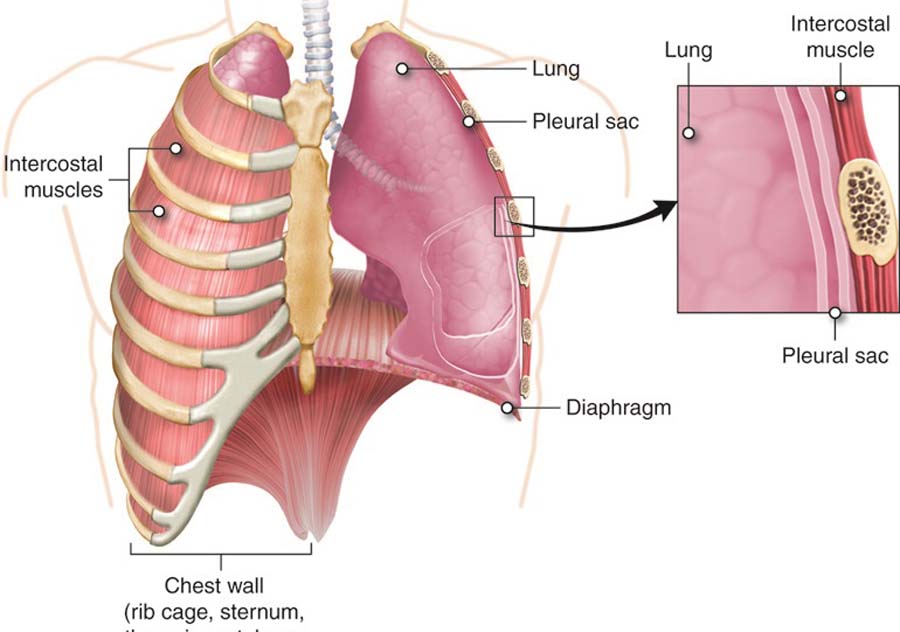
Telehealth has limitations. Certain symptoms must also be evaluated by touching the affected area, listening with a stethoscope, undergoing a more detailed neurological exam, taking lab samples and/or imaging.
If your doctor is not able to assess you from a distance, they may suggest an appointment for you to visit in person, tests and other health services.
This is a key component of the quality of online medical visit. A responsible provider ought to be able to identify that, while they may be suitable for some circumstances, a diagnosis done remotely simply cannot be appropriate for others.
Improve Your Visit Preparation
Preparing for your online medical visit can make it more useful. Have an up-to-date medication list, record symptom onset dates, keep medical breakdown records up to date, and have medical records on hand.
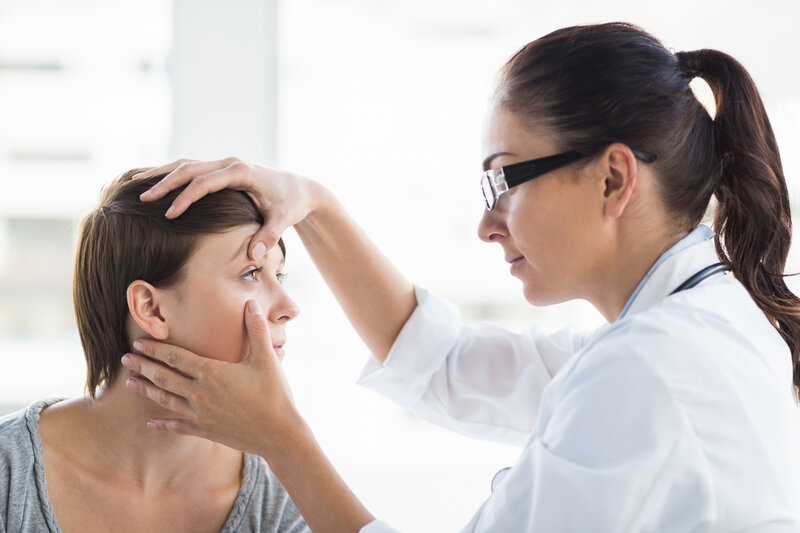
When your doctor examines your eye, having good lighting and a steady camera may help them to see visible symptoms. Make sure to have key concerns in mind during the consultation, write them down so you won’t forget key details.
Virtual primary care visits are more informative and can be of value to your doctor looking for changes over time for ongoing conditions if you bring a record of the symptoms and measurements with you.
Conclusion
Conversation is not the only requirement for an online medical visit. Your medical history, physical appearance, health markers, medical records and clinical reasoning are used by doctors to find out what might be going on, and what should. When being assessed remotely is not sufficient, they will be able to help you find an appropriate care or testing in person. Making preparations before the appointment can make it more effective.
Visit Chronic Care Ventures to discover telehealth and chronic care support for a care that fits you.
FAQs
1. Can doctors diagnose symptoms without examining me physically?
In some circumstances symptoms, medical history, visual appraisal and available health can be clues to the underlying conditions. Others need to be seen and/or tested in person.
2. What happens during an online medical visit?
Your doctor will probably ask you about your symptoms, medical history, medications, and other health-related information. There might also be visible indications or straightforward checks to do.
3. Can virtual primary care manage chronic conditions?
Yes. Virtual primary care can help manage and monitor many chronic conditions where patients can supply relevant health information, and engage in regular follow-ups.
4. What should I prepare for a telehealth appointment?
Prepare a list of medications, recent health checks, medical reports, symptom history and questions/lists prior to the appointment.
5. When is an in-person examination necessary?
A face-to-face evaluation might be required if your medical condition requires hands-on evaluation, lab tests, imaging or immediate medical action.
Recent Post