



















Summary: By enabling accurate remote health tracking, doctors have access to health data without needing to visit the patient, which can lead to better health outcomes, improved management of chronic diseases and better health information to enable informed clinical decisions. Using trusted devices, patient education, analyzing health patterns, and incorporating online doctor consultations can ensure the most effective and consistent remote monitoring program.
Good healthcare starts with one simple thing, accurate information. Doctors depend on reliable health data to monitor patients, adjust treatments, and identify problems before they become serious. Today, remote health tracking allows providers to monitor patients beyond the hospital or clinic. But if the data isn’t accurate, it can lead to wrong decisions and delayed care. That’s why healthcare providers must focus on collecting reliable information to deliver safe, effective, and personalized treatment.
The Importance of Data Accuracy with RT Sites
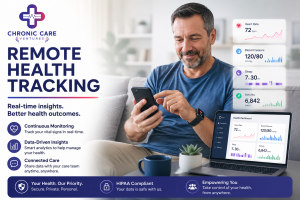
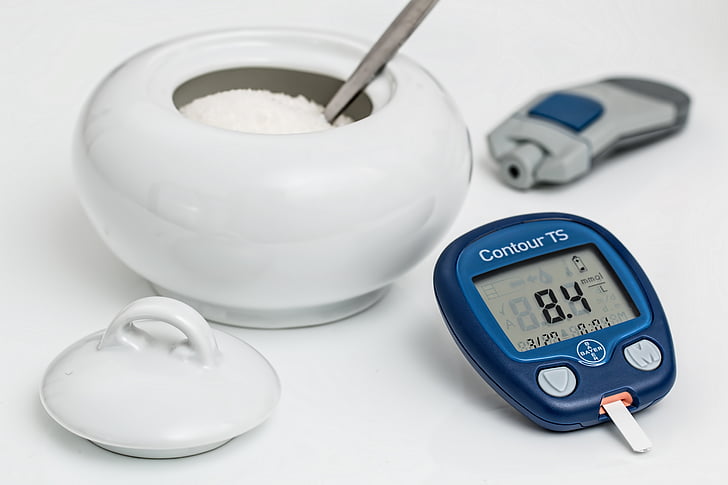
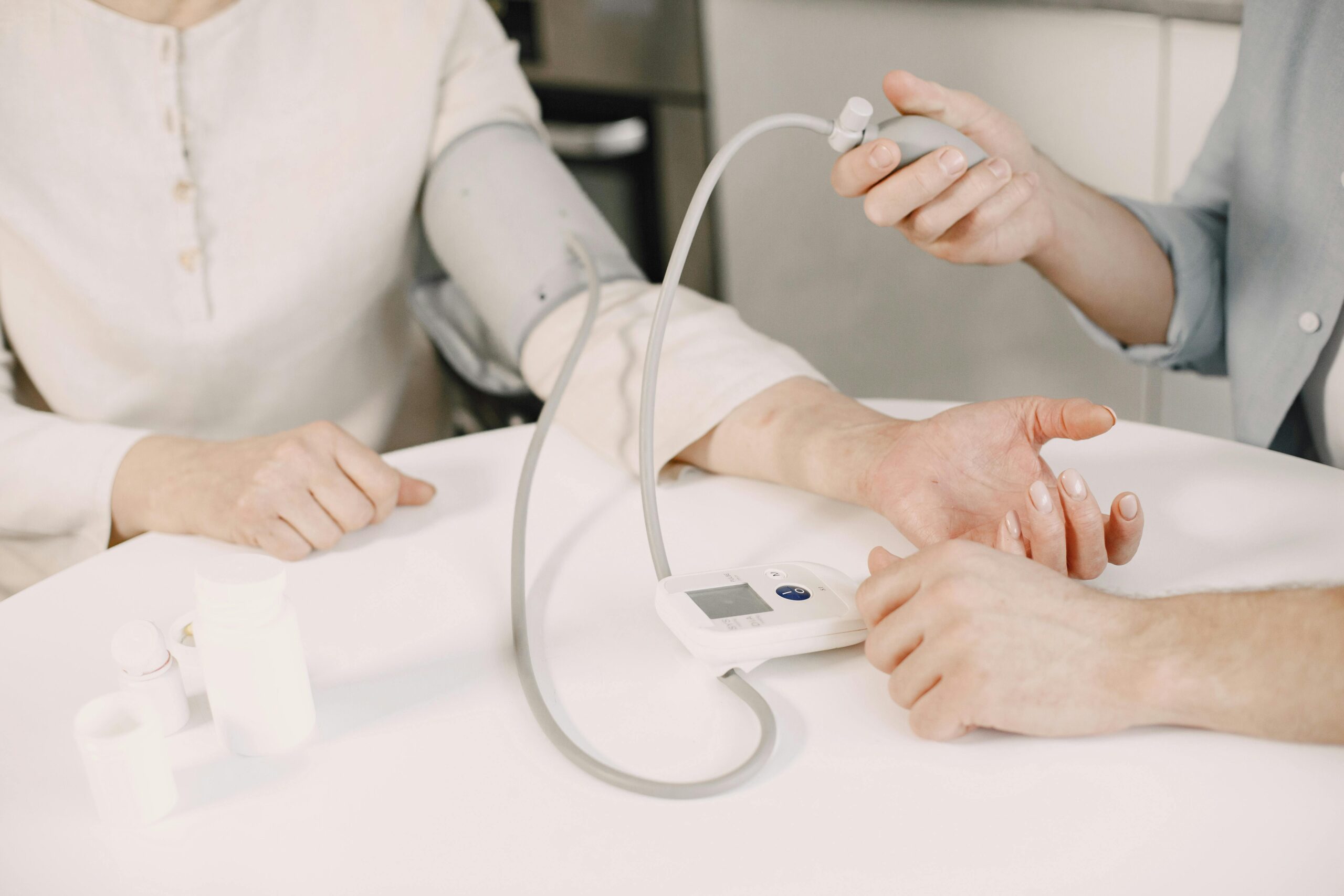
In contrast to standard health care facilities, health tracking is done away from home by wearables, home monitoring technology, and mobile health applications. These technologies can provide real-time health information like blood pressure, glucose, heart rate, oxygen saturation, and physical activity.
Having this information correct can help health care professionals to:
- Seeking medical care earlier due to better symptom detection.
- Improve the way that chronic diseases are monitored.
- Minimise unnecessary trips to the hospital.
- Provide treatment decisions based on evidence
- Effectively enhance long-term patient results
Conversely, unreliable data may have adverse consequences for patient safety and on clinical judgment.
Multiple Reasons Exist for Inaccurate Health Data
There are a number of factors that diminish the accuracy of data gathered remotely for health.
Device Quality and Calibration: The accuracy of different monitoring devices is different. Consumer wearables could be good for wellness data, but not necessarily for clinical use in decision making. Ideally, healthcare providers should recommend FDA-approved or a clinically tested, validated device.
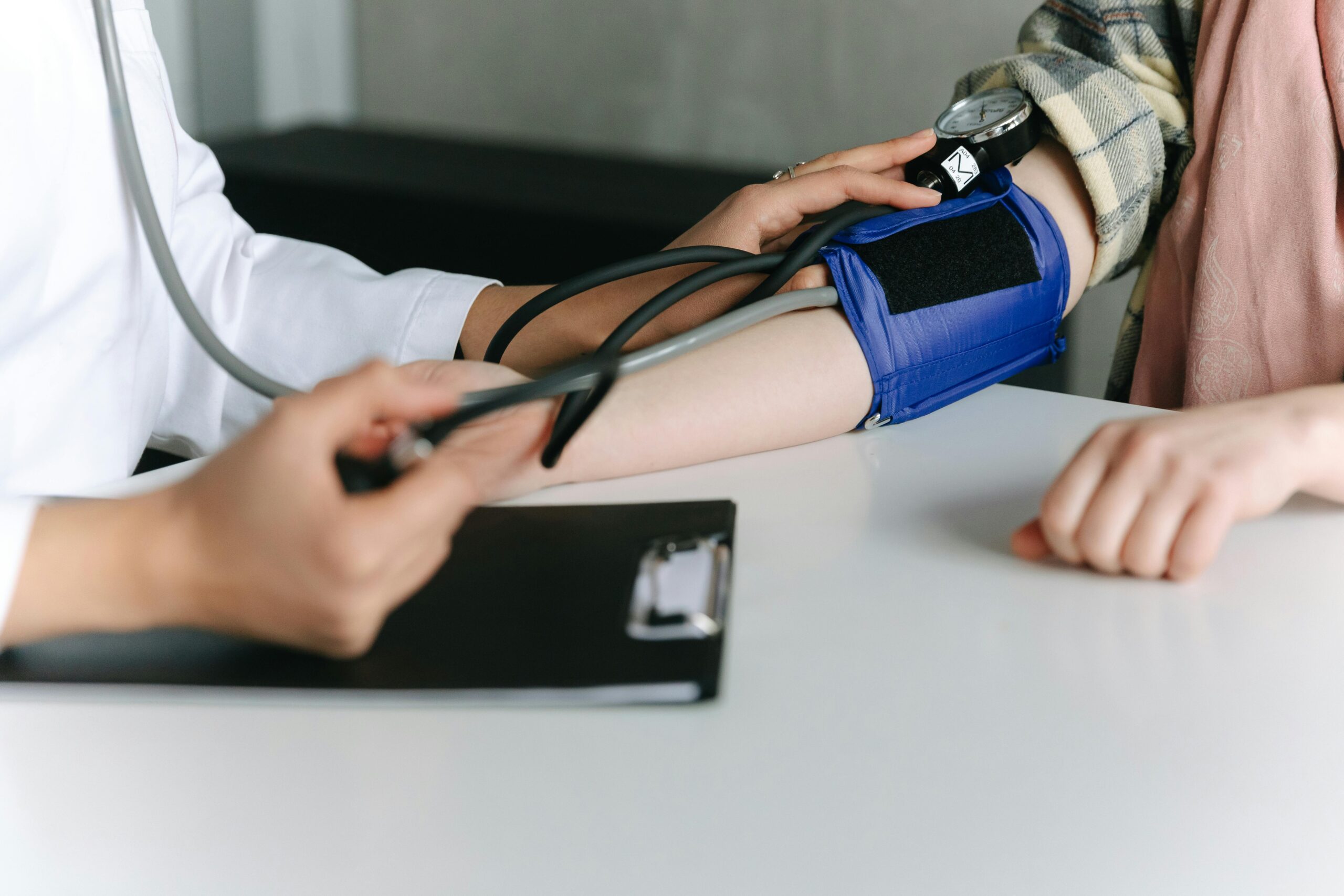
Improper Device Usage: Even though the device is of good quality, if the wrong devices are used by patients, it can lead to a misleading result. Measurements can be inaccurate due to improper placement of the cuff, sensor position or procedural differences. Clear instructions to patients on how to use the system are an important element of a remote monitoring program.
Patient Compliance: Efficiently tracking health remotely relies on patients taking measurements at set times. Health data is only as useful as the accuracy of the reading or by consistently tracking or not.
Patient education and repetitive follow-up to boost patient engagement in long-term follow-up.
Problems with Internet Connection and Data Transfer
The wireless device requires a solid connection to the internet or Bluetooth. Sometimes the synchronization is interrupted or might be incomplete, thus there is a potential loss of information or that information is later to be available, which can influence the clinical evaluations.
Healthcare professionals need to be sure that patients know how to confirm that the data has been successfully transmitted. Achieving greater accuracy in the data will call for technology, patient education and clinical supervision.
Best Practices for Healthcare Providers
Pick devices capable of clinical trials and make sure they work along along with your distant monitoring platform.
Patients should understand:
- How to operate monitoring devices correctly?
- When to take measurements?
- How often readings should be recorded?
- When abnormal values require immediate medical attention?
Simple instructional materials and demonstration sessions can significantly improve data quality.
Connect to the Clinical Care System Remote Monitoring
When paired with an appointment schedule for online doctor consultation, this remote health monitoring presents the opportunity to view data, talk to patients about their concerns, verify otherwise consistent data, and change treatment programs according to full clinical context.
This holistic method not only aids in better decision-making but also improves patient-provider relationships.
The Importance of AI for Data Validation
Artificial intelligence (AI) is effectively leveraging to improve data quality on modern latest remote monitoring systems. AI is now being applied to enhance data quality on these modern latest remote monitoring platforms. AI algorithms can spot irregularities, inconsistencies in measurements, and let healthcare staff know if any readings seem to be incorrect or significant.
AI is not meant to substitute for medical staff, but to supplement their work as a quality assurance component, prioritizing those patients who need urgent attention.
Building Patient Trust Through Accurate Monitoring
Digital health programs keep patients more connected if they believe that their data can add value to the healthcare experience. Having accurate data will enhance the confidence in treatment recommendations and promote regular participation.
By prioritizing dependable technology, standardized processes, and continuous patient education, healthcare institutions develop more resilient telemedicine solutions, which tackle problems and enhance the overall patient journey experience for both providers and patients.
Conclusion
In today’s evolving digital healthcare landscape, the power of accurate healthcare information continues to be the backbone of clinical information and decision-making. The potential for remote health tracking is huge for enhancing chronic disease management, preventive care and patient engagement – provided that healthcare professionals pay attention to data quality along the way. Healthcare providers can offer more accurate, proactive, and personalized care through validated technology, education for patients, periodic follow-ups and online physician consultation.
Discover how Chronic Care Ventures helps healthcare organizations build smarter, data-driven remote care solutions by contacting us today.
FAQs
1. Why is it essential that data is accurate when monitoring health from afar?
Healthcare providers use accurate data for informed clinical decisions, early detection of health issues, creation of more effective treatment plans, and prevention of medical errors.
2. What affects the accuracy of remote health tracking devices?
These factors encompass the quality of the device, incorrect usage, incorrect calibration, poor compliance with instructions from the patient and problems related to connectivity when transmitting data.
3. How can online doctor consultation help in tracking health remotely?
Online doctor consultation provides healthcare providers with access to the patient’s data, which can be used to review patient data, check for unusual readings, respond to patients’ queries, and make informed decisions regarding their treatment.
4. Can wearable devices replace clinical monitoring?
The majority of wearables for consumers can also track health, however, these devices are intended to be used alongside, not a substitute for, professional medical evaluation, particularly in patients who have chronic diseases.
5. How can healthcare providers improve remote monitoring accuracy?
Providers can improve accuracy by recommending clinically validated devices, educating patients, monitoring long-term trends, ensuring reliable data transmission, and conducting regular follow-up consultations.
Recent Post